

Michigan Receives $1.47B High-Speed Internet Investment Of Federal Funds
Michigan Will Have Highest Number Of Locations Connected With Fiber By The BEAD Program In U.S.
Gov. Whitmer joined the Michigan Department of Labor and Economic Opportunity’s Michigan High Speed Internet Office (MIHI) in celebrating Michigan’s receipt of $920 million in federal funds to administer the Broadband Equity, Access, and Deployment (BEAD) program and continue expanding high-speed internet access statewide -- the single largest investment in high-speed internet infrastructure in Michigan and the nation’s history. The private sector will contribute $550 million in matching funds, bringing the total upcoming investment in Michigan’s high-speed internet infrastructure to $1.47 billion.
“When we expand access to affordable, high-speed internet, we open doors to jobs, healthcare, education, opportunity and so much more,” said Governor Gretchen Whitmer. “The $920 million in funding secured today will help even more Michiganders get the high-speed internet access they need to succeed. We’re making historic investments across the state to ensure that no matter where someone lives or works, they have the connectivity they need to thrive and reach their full potential.”
The state has the third-highest number of BEAD-eligible locations in the nation, underscoring the significant need for expanded high-speed internet access.
“Expanding access to affordable, fast internet will help more Michiganders access health, wealth and opportunity,” said Lt. Governor Garlin Gilchrist II. “I’m proud of the work Governor Whitmer and I have done to expand affordable, fast internet to more than 33,000 homes, businesses and communities across our state. This award will help us build on and deepen that work, ensuring every Michigander can access the high-speed internet they need to succeed without breaking the bank. Let’s keep Standing Tall and building a brighter future for Michigan.”
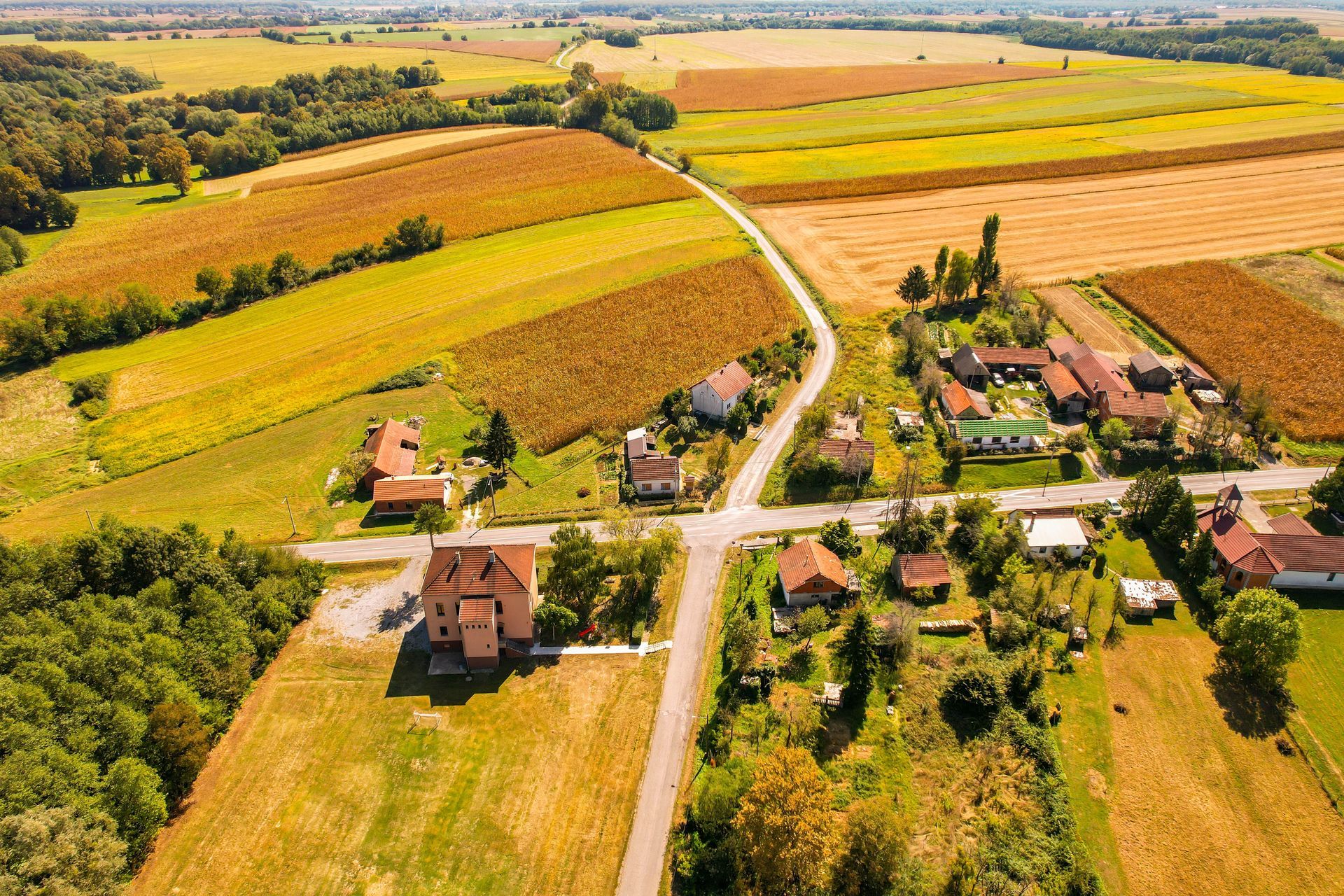
This funding will connect nearly 200,000 homes, businesses and institutions through the BEAD program, with more than 31,000 miles of fiber-optic infrastructure deployed over the next four years to connect the unserved and underserved areas in Michigan.
“We’re committed to expanding opportunity in every corner of the state, and we know that access to reliable, high-speed internet is no longer a luxury,” said Eric Frederick, MIHI Chief Connectivity Officer. “This funding will help us continue building critical infrastructure allowing us to bring high-speed internet statewide. This helps Michiganders get access to education, visit doctors, apply for jobs and so much more. Plus, the economic impact has a ripple effect, supporting jobs that build this infrastructure.”
In addition to BEAD, MIHI’s ROBIN program has already connected more than 33,000 homes and businesses to fiber-optic high-speed infrastructure and will connect an additional 50,000 more in 2026.
For more information on MIHI’s efforts to create a more digitally equitable Michigan where everyone can leverage technology to improve their quality of life, visit Michigan.gov/MIHI.